Where Edge Computing Actually Wins in Enterprise Data
See where edge computing solves real-time enterprise data processing bottlenecks, which use cases justify it, and how to choose the right architecture.
 7 min
How We Evaluate Quantum Readiness for Enterprise Infrastructure
A practical guide to evaluating quantum-readiness today: crypto inventory, infrastructure dependencies, migration planning, and the mistakes enterprises keep making.
 8 min
How I Structure a Cross-Functional Pod for Faster Delivery
A practical guide to structuring cross-functional dev pods for faster delivery cycles, with roles, rituals, handoffs, and the mistakes that slow teams down.
 8 min
How I Judge a Staff Augmentation Partner
How I evaluate staff augmentation partners for scaling product engineering teams, from onboarding speed to code quality, delivery fit, and retention.
 9 min
How US Health Systems Actually Buy Software
Most health system software deals do not stall on the technology. They stall in security review, in a committee calendar, or on a budget line nobody owns. Here is what the process looks like from the other side of the table.
 9 min
How I Build Offshore Pods That Last
A practical playbook for building an offshore engineering pod that stays aligned, ships reliably, and supports long-term product development.
 8 min
Dedicated Pod vs Staff Augmentation for Scaling Teams
A practical comparison of dedicated development pods vs staff augmentation for healthcare engineering teams, with failure modes, tradeoffs, and a buyer checklist.
 9 min
Why Staff Augmentation Pods Ship Faster
Learn how staff augmentation pods speed enterprise software delivery with clearer ownership, faster decisions, and fewer handoff failures.
 8 min
Cloud-Native Enterprise Apps: Practical Best Practices
Practical cloud-native enterprise app best practices: architecture, delivery, security, observability, and the mistakes teams make moving too fast.
 9 min
How to Choose a Regulated-Industry Software Partner
A practical guide to choosing an enterprise software development partner for regulated industries, from security and compliance to delivery fit and long-term ownership.
 10 min
Building a SaaS Platform That Actually Scales
A practical guide to greenfield SaaS architecture: what to build first, how to keep it modular, and where most teams paint themselves into a corner.
 9 min
Modernizing Legacy Apps to Microservices Without the Mess
A practical playbook for modernizing legacy enterprise applications to microservices without breaking workflows, integrations, or delivery discipline.
 9 min
What I look for in a scaling software partner
What scaling startups need from a custom enterprise software development partner: delivery, architecture, integration discipline, and the traps I see most often.
 8 min
AI automation ROI for manual operations overhead
See how we measure AI automation ROI for cutting manual operations overhead, where the savings come from, and the checks that keep pilots honest.
 10 min
How I Add LLMs to Enterprise Systems Without Breaking Them
A practical guide to integrating LLMs into enterprise software without breaking workflows, security, or auditability. Includes patterns, pitfalls, and a playbook.
 10 min
Building RPA and AI Automation That Actually Ships
How I build RPA and AI automation pipelines that survive enterprise systems, broken edge cases, and real governance without turning into fragile scripts.
 11 min
Implement Agentic AI for Enterprise Operations at Scale
A practical guide to implementing agentic AI for enterprise operations at scale, with governance, workflow design, and rollout patterns that actually hold up.
 10 min
How to Evaluate a Clinical AI Development Partner
Every software firm says it does AI now. Here is how to tell which ones can actually keep a model honest inside a clinical workflow — the evals, grounding, versioning and failure design that separate engineering from a demo.
 9 min
The best partner for automating workflows with AI
How to choose the best partner for AI workflow automation: who ships, who integrates, and who survives real enterprise edge cases.
 10 min
How to Build an AI Agent Framework for Back-Office Automation
Build an enterprise AI agent framework that survives approvals, exceptions, audit, and integration realities in back-office automation.
 10 min
Automated QA Frameworks for Clinical Releases
Build an automated QA framework for clinical software releases that catches workflow breaks, integration drift, and compliance regressions before go-live.
 9 min
Building a Healthcare Data Lake That Actually Works
A practical guide to building a healthcare data lake for EHR, claims, labs, devices, and FHIR data without turning it into a dump.
 10 min
Building SDOH Data Integration That Analytics Can Trust
Build SDOH data integration for clinical analytics with clean models, source mapping, governance, and value-based care use cases that hold up.
 9 min
Designing a real-time clinical data warehouse
How I design real-time clinical data warehouses for health systems: source systems, latency, governance, and the failure modes that break trust.
 9 min
How I build readmission risk models that clinicians trust
A practical guide to building readmission risk models that survive cleanup, leakage, calibration, and clinical review in real hospital workflows.
 9 min
Personalize Patient Communication with Clinical Data
Learn how to use clinical data to personalize patient communication without creating noise, privacy risk, or broken workflows.
 8 min
Conversational AI for patient scheduling that actually works
How I build patient scheduling chatbots that reduce friction, handle edge cases, and fit real clinic workflows without breaking the front desk.
 9 min
Patient Portals That Actually Drive Adherence
See how to design a patient portal that improves care plan adherence with simpler tasks, better reminders, and fewer drop-offs.
 8 min
Best Partner for Automated Appointment Reminders
How I choose the best partner for automated appointment reminders, from scheduling and SMS to EHR integration, consent, retries and reporting.
 7 min
Patient engagement apps that actually cut no-shows
Build a patient engagement app that lowers no-shows with better reminders, faster rescheduling, intake, and friction-free workflows that patients use.
 9 min
Asynchronous telehealth that actually works for chronic care
How I design asynchronous telehealth workflows for chronic care management: routing, escalation, interoperability, documentation, and the failure points that break care.
 9 min
Unifying Telehealth and In-Person Patient Records
Build one patient chart across telehealth and in-person care with a unified record query, clean identity matching, encounter context, and audit-ready integration.
 10 min
Building HIPAA Video Visits That Don’t Fall Apart
How I build HIPAA-compliant video visit infrastructure at scale: vendor selection, identity, access, logging, failover, and the edge cases that break care.
 9 min
Remote Patient Monitoring Integration That Actually Works
Learn how to connect remote patient monitoring devices to EHRs, FHIR, HL7v2, and clinical workflows without breaking reconciliation or staff trust.
 9 min
Best telehealth infrastructure partner for virtual-first care
How I choose a telehealth infrastructure partner for virtual-first care models: interoperability, uptime, security, and the workflows that keep visits moving.
 8 min
How to Sync Telehealth with Existing EMRs
Build a telehealth platform that syncs cleanly with Epic, Cerner, and other EMRs using FHIR, HL7v2, identity, scheduling, and workflow-safe integration.
 9 min
Compliance for Multi-State Telehealth Data Governance
A practical framework for governing telehealth data across state lines: access control, retention, consent, residency, audit trails, and breach response.
 9 min
Designing Audit-Ready EHR Access Control
How to design EHR access control that stands up to audit: least privilege, break-glass, logging, role design, recertification, and testing.
 8 min
How Engineering Teams Prevent Healthcare Data Breaches
Practical breach prevention for healthcare engineering teams: least privilege, segmentation, logging, secrets, vendor controls, and tested incident response.
 9 min
Securing Patient Data Across Hybrid Cloud Environments
Practical ways to secure patient data across hybrid cloud environments with identity, segmentation, logging, encryption, and compliance controls.
 8 min
Building HITRUST Infrastructure That Survives Audit
A practical guide to building HITRUST-certified infrastructure for digital health platforms, with control mapping, evidence, and common failure modes.
 8 min
Zero-Trust Security Architecture for Clinical Systems
A practical guide to zero-trust security architecture for clinical systems, from identity and segmentation to logging, testing, and rollout.
 11 min
SOC 2 Readiness for Healthcare Software Vendors
A practical guide to SOC 2 readiness for healthcare software vendors: scope, evidence, common failure modes, and what compliance buyers should ask.
 10 min
HIPAA Cloud Infrastructure for Startups That Actually Holds
A practical guide to building a HIPAA-compliant cloud stack for health tech startups: controls, logging, segmentation, vendors, and launch checks.
 11 min
Automated Referral Management That Actually Moves
How I build automated referral management workflows that reduce manual chasing, surface missing data early, and keep referrals moving across EMR and payer systems.
 9 min
Architecting a Clinical Workflow Engine for Value-Based Care
A practical guide to designing a clinical workflow engine for value-based care, with routing, rules, auditability, and the failure modes that matter.
 11 min
Care Coordination Platforms for Multi-Site Health Systems
What enterprise health systems need from a care coordination platform: workflow design, interoperability, governance, and rollout lessons from real builds.
 8 min
How to Reduce Clinician Click Fatigue in Real Workflows
Reduce clinician click fatigue by redesigning workflows, removing duplicate steps, and pushing the right data into the right screen at the right time.
 10 min
Building Intake-to-Discharge Workflow Automation
How I design intake-to-discharge workflow automation that survives real clinical chaos, handoffs, exceptions, and discharge bottlenecks.
 10 min
Redesigning Clinical Workflows Around Team Collaboration
Build care coordination into the workflow itself. I break down how to redesign clinical processes around collaboration, handoffs, and accountability.
 8 min
Customizing Ambient AI Notes for Specialty Workflows
Learn how to customize ambient AI note generation for specialty workflows without breaking note quality, coding, or clinician trust.
 8 min
Ambient Documentation ROI: Less After-Hours Charting
See how ambient documentation reduces after-hours charting with better note capture, fewer addenda, and a cleaner workflow for clinicians.
 9 min
Building a HIPAA-Compliant Ambient Documentation Pipeline
How I build ambient documentation pipelines that protect PHI, support HIPAA, and fit real clinical workflows without slowing care teams down.
 10 min
Integrating Ambient AI Scribes With EMR Templates
Learn how to integrate ambient AI scribes with EMR templates without breaking workflow, note structure, or clinician trust.
 8 min
The best ambient documentation vendor for burnout
How I evaluate ambient documentation vendors for burnout: workflow fit, EHR integration, note quality, compliance, and the mistakes that waste clinician time.
 9 min
Ambient Listening Cuts Physician Documentation Burden
Ambient listening can shrink after-hours charting by capturing visits in real time, surfacing codes, and reducing note cleanup without ripping out the EHR.
 9 min
Building Configurable Order Sets Without Breaking Care
How I build configurable order sets and clinical templates in an EMR without turning care into a brittle rules jungle. Practical patterns and failure modes.
 10 min
How to Migrate From a Legacy EMR to Cloud-Native
A practical playbook for moving from a legacy EMR to a cloud-native platform without breaking clinical workflows, integrations, or uptime.
 9 min
Custom EMR Development for Behavioral Health Practices
Custom EMR development for behavioral health practices: the workflows, integrations, privacy constraints, and build decisions that make adoption stick.
 10 min
How to Build an EMR-Agnostic Documentation Layer
Learn how to build an EMR-agnostic clinical documentation layer that sits above Epic, Oracle Health, athenahealth, and more without breaking workflows.
 11 min
Cerner/Oracle Health Integration for Custom Workflows
How we build custom Cerner/Oracle Health workflows with safer integrations, fewer brittle workarounds, and cleaner handoffs during Oracle transition.
 9 min
Modernize a Legacy EMR Without Breaking Care
Modernize a legacy EMR without disrupting care: protect workflows, phase the cutover, preserve interfaces, and avoid the downtime traps we keep seeing.
 8 min
Choosing the Best Epic App Orchard Partner
How I evaluate Epic App Orchard development partners for third-party integrations, from workflow fit and HL7/FHIR depth to production support.
 10 min
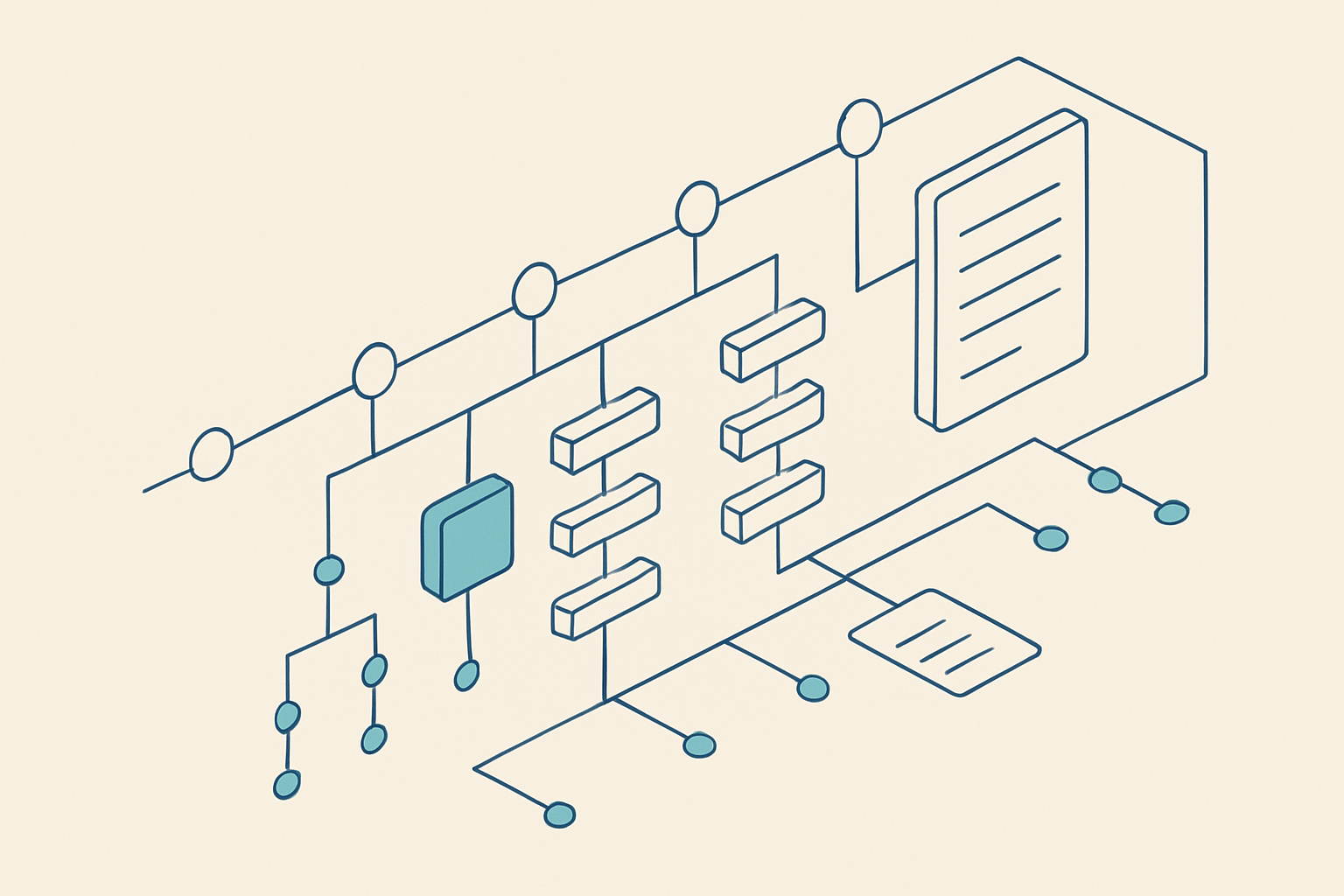
How I Build Specialty EMR Modules That Actually Stick
Build specialty EMR modules that fit real clinic workflows: scope, data model, edge cases, integration, testing, and rollout without breaking care.
 10 min
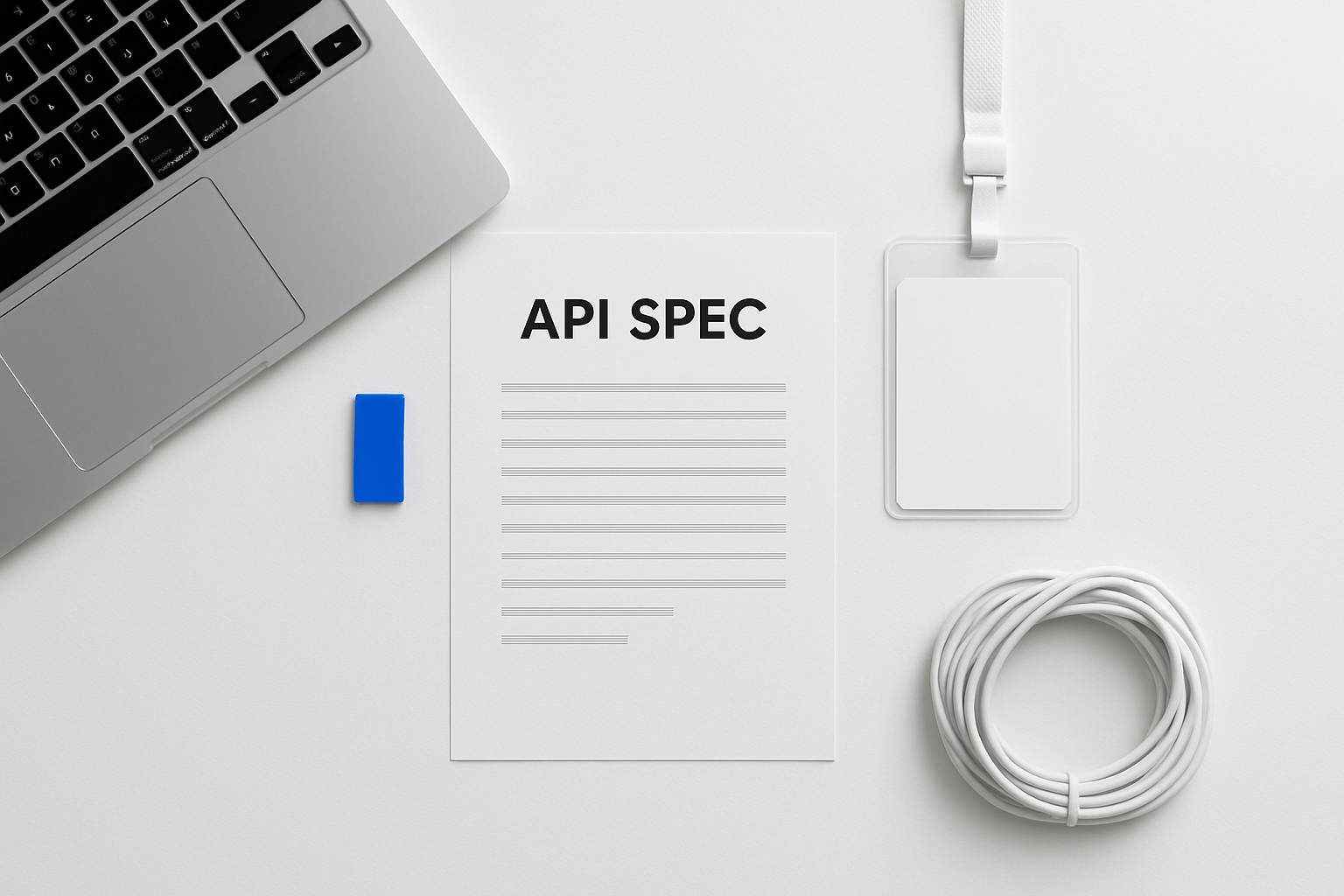
Designing a Longitudinal Patient Record with FHIR
How I design a longitudinal patient record with FHIR resources: identity, provenance, versioning, merges, and the failure modes that break real care.
 10 min
Building a CMS-Compliant Patient Access API
A practical guide to building a CMS-compliant patient access API with FHIR R4, SMART, OAuth, scopes, caching, consent, and audit controls.
 9 min
FHIR R4 Migration Strategy for Legacy Systems
A practical FHIR R4 migration strategy for legacy healthcare systems: what to keep, what to wrap, and how to avoid a big-bang rewrite.
 9 min
Interoperability Between Disparate EHR Systems
A practical guide to connecting Epic, Oracle Health, athenahealth, and more with FHIR, HL7v2, and vendor APIs without breaking workflow.
 10 min
Building a SMART on FHIR App for Real Workflow
How I build SMART on FHIR apps that survive real clinical workflows, from launch context to auth, launch modes, edge cases, and testing.
 9 min
Implementing FHIR Bulk Data for Population Health
Practical guide to FHIR Bulk Data API implementation for population health: export design, security, mapping, and operational pitfalls.
 9 min
The Best Partner for a TEFCA-Compliant HIE
What to look for in a TEFCA-compliant HIE partner: QHIN strategy, FHIR and HL7v2 integration, trust frameworks, operations, and go-live realities.
 10 min
Designing a FHIR-Native Data Platform Across EHRs
Build a FHIR-native data platform that survives multiple EHRs, vendor quirks, and real production feeds without turning into a mapping swamp.
 10 min
How I Validate AI Clinical Tools for FDA Compliance
A practical guide to validating AI clinical tools for FDA readiness, SaMD risk, clinical evidence, traceability, and change control.
 8 min
Generative AI Use Cases That Actually Fit Healthcare Ops
A practical guide to generative AI in healthcare operations for 2026: where it works, where it fails, and how to evaluate it safely.
 8 min
How I Build an AI Triage Assistant for Intake
A practical guide to building an AI triage assistant for patient intake, from structured questioning and escalation rules to EHR workflows and safety checks.
 9 min
Automating Clinical Note Summarization Without Breaking Care
How we reduce documentation burden with AI note summarization, where it helps, where it breaks, and how to deploy it safely in live care workflows.
 11 min
Deploying LLMs Safely in Clinical Settings
A practical LLMOps guide for clinical teams: guardrails, evaluation, logging, human review, and safer deployment patterns for live care workflows.
 9 min
Who Builds HIPAA-Compliant AI Agents for Healthcare
Who actually builds HIPAA-compliant AI agents for healthcare workflows, what the team must own, and the failure modes that sink pilots.
 9 min
Prior auth automation that actually lowers burden
AI prior authorization only helps when it fits the workflow, cites rules, and hands off cleanly. Here is how we cut admin burden without chaos.
 10 min
How We Build Clinical Decision Support with GenAI
A practical guide to building clinical decision support with generative AI: workflow design, guardrails, evaluation, and deployment lessons from the field.
 7 min
The best ambient AI scribe integration for outpatient practices
How outpatient practices should evaluate ambient AI scribe integration: workflow fit, EHR connections, coding guardrails, and deployment traps.
 8 min
AI Copilots Are Changing Clinical Documentation
AI copilots are changing clinical documentation by drafting faster, surfacing codes, and fitting into real workflows without breaking clinician trust.
 8 min
Payment Posting Engines Fail When You Trust the Bank File
Build a payment posting and reconciliation engine that handles ERA, bank deposits, denials, reversals, and unapplied cash without breaking your month-end close.
 9 min
Coding Automation That Fits the Documentation Flow
Learn how to integrate coding automation into clinical documentation workflows without breaking the visit, the audit trail, or coder review.
 10 min
Modernizing RCM Off Legacy Billing Systems
How I modernize revenue cycle platforms for practices leaving legacy billing systems: data migration, claims continuity, denial control, payer rules, and go-live discipline.
 9 min
Root-Cause Analytics That Cut Claim Denials
Use root-cause analytics dashboards to find denial patterns, fix front-end leaks, and cut recurring claim denials across payers and workflows.
 8 min
What a claim management partner really has to build
How I evaluate a claim management software development partner for payer-provider workflows, from eligibility and edits to denials, reconciliation, and payers.
 9 min
Building a Self-Pay Collections Engine That Actually Works
How I build self-pay collections engines with predictive analytics, from segmentation and propensity scoring to workflow routing, patient outreach, and guardrails.
 9 min
Automating Charge Capture for Outpatient Clinics
Automate outpatient charge capture with cleaner workflows, fewer misses, and better claim readiness. Practical steps from RCM delivery work.
 9 min
Underpayment Detection Starts With Contract Truth
Find underpayments faster with contract modeling, payer rule mapping, and claim-level variance checks that revenue cycle teams can actually trust.
 10 min
Designing a patient billing portal that people actually use
Design a patient billing portal that reduces friction with clear balances, fast checks, flexible payments, and fewer dead ends that delay collections.
 10 min
Building Trial Recruitment Automation from EHR Data
Build a clinical trial recruitment system with EHR data, FHIR phenotyping, AI matching, IRB-safe workflows, and patient outreach that actually works.
 10 min
CMS just changed the MA AI conversation
CMS 2026 MA guidance is pushing AI-assisted care management over restrictive prior auth. Here is what that means for healthtech vendors.
 10 min
Federated Learning in Healthcare Without Sharing PHI
Federated learning lets hospitals train AI together without centralizing PHI. Here’s the architecture, failure modes, and rollout patterns.
 9 min
SOC 2 Type II Without Slowing Weekly Releases
Learn how healthcare teams can earn SOC 2 Type II without freezing releases, using continuous controls, automated evidence, and sprint-ready compliance.
 11 min
Kubernetes for HIPAA Scaling Without Loose Ends
What Kubernetes means for HIPAA-compliant healthcare scaling: pod security, secrets, network policies, audit logs, and the traps that break enterprise trust.
 10 min
Monitoring Clinical AI Drift on AWS Before It Bites
Build clinical AI drift monitoring on AWS with MLflow, SageMaker Model Monitor, and workflow-aware metrics that catch degradation before care suffers.
 8 min
Choosing HIPAA-Compliant Video Platforms After Telehealth Flexibilities
COVID telehealth flexibilities are over. Here is how compliance-conscious health systems should evaluate HIPAA-compliant video platforms, BAAs, security, and workflow fit.
 10 min
How One Medical Scales Primary Care with AI
What Amazon One Medical gets right about AI-first primary care: ambient documentation, asynchronous care, EMR integration, and founder lessons.
 9 min
Claim Denial Prevention: The Complete Guide for Provider Teams
Everything a provider revenue-cycle team needs to know about preventing claim denials: where denials actually originate, the economics of prevention vs. rework, the automation architecture that works, and how to run it in the US and the Gulf.
 8 min
Claims Status Tracking That Billing Teams Can Trust
Build a real-time claims status tracking system that helps billing teams see payer movement, spot stalls, and fix denials before cash slips away.
 10 min
Building a clearinghouse integration that actually ships
A practical architecture guide to clearinghouse integration for faster claims submission, with real failure modes, routing logic, and rollout steps.
 8 min
AI Medical Coding Accuracy That Cuts Claim Rejections
AI coding tools cut claim rejections when they map evidence to rules, catch edge cases, and keep humans in control before the claim leaves.
 10 min
How Automated Claims Follow-Up Cuts AR Days
Automated claims follow-up cuts AR days by prioritizing payer work, surfacing root causes, and routing denials without wasting staff time.
 8 min
Who Builds Custom RCM Platforms for Hospitals
Custom hospital RCM platforms are built by teams that understand eligibility, claims, denials, and EHR integration—not generic software shops.
 10 min
Building Denial Management Into Your EMR
How I build denial management workflows inside an existing EMR: routing, edits, codes, ownership, and the integrations that stop denials from stalling.
 10 min
Automate Insurance Eligibility Verification Without Breakage
A practical playbook for automating insurance eligibility verification at scale, with payer quirks, fallback logic, and RCM controls.
 9 min
Best Claims Management Partner for Multi-Specialty Practices
How to choose a claims management software development partner for multi-specialty practices, with the workflows, integrations, and failure modes that matter.
 8 min
Reduce Prior Auth Denials with AI Claim Scrubbing
Reduce prior authorization denials with AI-driven claim scrubbing. Learn where denials start, how to catch them before the claim leaves, and what to check.
 6 min
AlphaFold 3 Changed the Software Stack for Drug Discovery
AlphaFold 3 is speeding up drug discovery, but it also changes what biopharma teams must build to operationalize models, data, and workflows.
 4 min
Surviving the 1-Hour Prior Authorization Window: Automation or Attrition
Dubai's regulated 1-hour prior-authorization turnaround compresses a process most providers run in days into sixty minutes. Manual workflows can't survive it — and the fix previews where US prior auth is heading.
 5 min
Synthetic Clinical Data for AI Training in 2026
How I use synthetic patient data for AI training: tools, validation methods, and the regulatory boundaries that still matter in 2026.
 6 min
Azure Health Data Services: What Developers Must Migrate
Azure API for FHIR is being replaced by Azure Health Data Services. Here’s what changes for FHIR, DICOM, and MedTech teams migrating on Azure.
 6 min
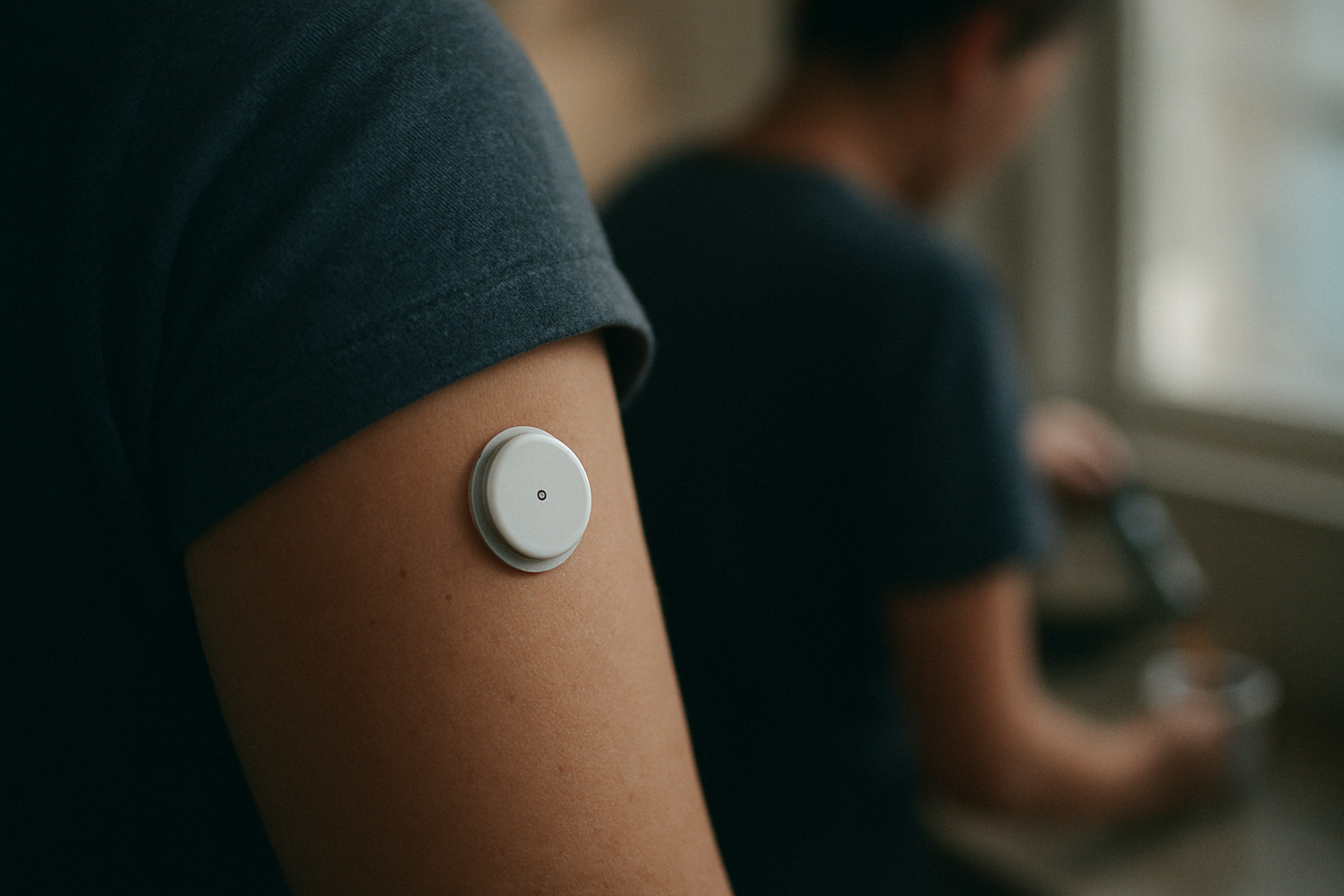
Building Real-Time Clinical Analytics with HealthLake
Build a real-time clinical analytics pipeline with AWS HealthLake and Apache Kafka for FHIR ingestion, indexing, and dashboard delivery.
 5 min
How AI Moves CGM Data Into the EHR
CGM data from Dexcom and Abbott is moving into Epic and Cerner via FHIR. Here’s the architecture that turns device streams into clinical context.
 6 min
What FDA 510(k) Means for AI RPM Algorithms
Learn what FDA 510(k) clearance means for AI-powered remote patient monitoring algorithms before launch, and what product teams must do.
 5 min
AI Care Gap Closure Beats Manual Outreach
AI-driven care gap automation is replacing manual outreach for HEDIS, Stars, and MIPS in value-based care. See architecture and ROI patterns.
 5 min
Ambient AI Is Fixing HCC Capture
Structured data extraction from ambient AI is improving risk adjustment with cleaner diagnosis capture, chronic condition detection, and HCC accuracy.
 5 min
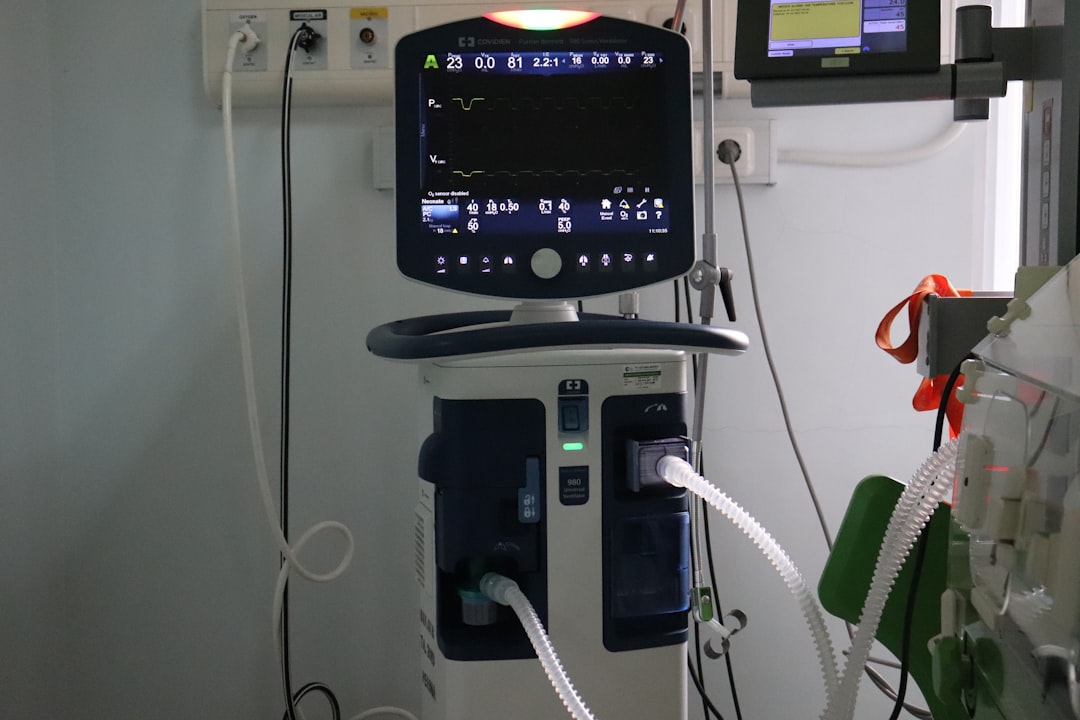
What ED Ambient AI Accuracy Really Looks Like
What ambient AI documentation accuracy looks like in real ED deployments, what the data shows, and the architecture decisions that actually hold up.
 4 min
Why Clinical AI Shadow Deployment Is Non-Negotiable
Learn what clinical AI shadow deployment is, how it works, and why health systems require it before live rollout to protect patients and governance.
 9 min
How Indian Health IT Firms Are Winning US Digital Health Work
Why Infosys, Wipro, and HCL are winning US digital health contracts in 2026, and what buyers should inspect before signing.
 8 min
What Optum Scrutiny Means for Vendor Diversification
DOJ scrutiny of Optum and Change Healthcare is forcing health systems to spread risk across RCM, analytics, and care management vendors.
 4 min
Consolidation Is Making Epic the Standard—and Outsourcing the Work
Hospital consolidation is pushing Epic standardization and creating heavy demand for integration, migration, and outsourced engineering support.
 6 min
Writing AI Model Cards Hospitals Will Actually Approve
Learn how to write an AI model card that passes hospital procurement and clinical governance review with use, data, validation, and bias details.
 5 min
Ambient AI Is Reshaping Scribing and Coding
Ambient AI scribes are changing how hospitals staff medical scribes and coders. See how teams redeploy, measure productivity, and avoid bad metrics.
 4 min
Shadow Mode First: How Clinical AI Agents Should Earn Autonomy
Day-one autonomy is how clinical AI projects die. The alternative is a trust ladder: the agent shadows humans, its agreement is measured, and autonomy is granted per task and per payer only when the numbers clear a gate.
 4 min
Denial Prevention vs. Denial Management: The Economics Nobody Runs
US providers spend $19.7B a year fighting denials — and 86% of those denials were avoidable. The math says stop funding the appeals machine and start funding the front of the pipeline. Here's the model.
 5 min
What Enterprise Buyers Expect from AI SaaS
What enterprise buyers expect from AI-powered SaaS products—from architecture and governance to security, ROI, and production reliability.
 6 min
MatrixCare vs PointClickCare for Skilled Nursing Operators in 2026
Compare MatrixCare and PointClickCare for SNF migrations in 2026: API depth, AI roadmap, billing integration, and PDPM documentation realities.
 5 min
Optimize Kubernetes Costs Without Killing Performance
Practical Kubernetes cost optimization strategies that reduce cloud spend without sacrificing performance, reliability, or scalability.
 5 min
Why SaaS Users Abandon After Free Trials
Why users abandon SaaS products after free trials, and how subscription intelligence and product architecture fix trial conversion failure.
 7 min
How to Choose an EHR Partner for Behavioral Health
Evaluate an EHR implementation partner for behavioral health and SUD platforms with the right architecture, compliance, and delivery model.
 6 min
How SaaS Onboarding Drives Long-Term Retention
How SaaS onboarding impacts long-term retention, activation, and expansion revenue—plus architectural strategies to optimize onboarding-driven growth.
 5 min
Designing Scalable RAG for Enterprise AI
Learn how to design scalable RAG architectures for enterprise AI with practical patterns for retrieval, indexing, security, and LLM orchestration.
 4 min
Building Claims Automation on Mandated Rails: NPHIES, eClaimLink and FHIR R4
The Gulf mandated its e-claims rails — Dubai's eClaimLink and Saudi Arabia's NPHIES — yet the work behind them is still manual. The winning architecture: a canonical FHIR R4 core with adapters at the edges.
 8 min
OCI and Cerner Data Migrations: Risks and Architecture
Learn what Oracle Health’s OCI move means for Cerner data migrations, architecture risks, and how health systems should assess their cloud plan.
 5 min
Platform Engineering Is Replacing DevOps Teams
Platform engineering is reshaping DevOps teams. Learn architecture patterns, internal platforms, and how to scale cloud delivery effectively.
 5 min
The Hidden Operational Cost of Duplicate SaaS Tools
Duplicate SaaS tools create hidden operational costs, budget leakage, and vendor sprawl. Learn how to detect and eliminate overlapping software.
 7 min
Epic SmartText and Clinical Decision Support Evaluation
See how Epic SmartText, BPA, and Cosmos are changing EHR vendor evaluation and what health systems should demand from vendors.
 6 min
Why AI Startups Fail at Real-World Deployment
Why AI startups struggle with real-world deployment and how to design production-ready AI systems that actually scale.
 5 min
How to Prevent Vendor Lock-In in Cloud Architecture
Learn practical strategies to prevent vendor lock-in in modern cloud architectures using containers, IaC, multi-cloud design, and portable data patterns.
 7 min
HIPAA-Compliant AI Billing Assistant Architecture
Build a HIPAA-compliant AI billing assistant using LLMs, structured claim data, and audit controls to flag coding errors and route appeals.
 6 min
Subscription Fatigue Is Breaking SaaS Trust
Subscription fatigue is eroding trust in SaaS. Learn how subscription intelligence restores transparency, governance, and customer confidence.
 5 min
Building Resilient CI/CD for Regulated Industries
Learn how to build resilient CI/CD pipelines for regulated industries with strong audit trails, change control, and secure deployments.
 5 min
Why SaaS Startups Underestimate Infrastructure
Most SaaS startups underestimate infrastructure complexity. Learn the architectural risks that break scaling-stage SaaS—and how to fix them early.
 8 min
AI Cuts Prior Auth Denials in Infusion Billing
See how AI reduces prior authorization denial rates in specialty infusion and oncology billing, and shortens denial-to-overturn timelines from weeks to days.
 6 min
The Hidden Operational Risks of Unmanaged SaaS
Unmanaged SaaS subscriptions create security, compliance, and cost risks. Learn how to control SaaS sprawl with structured subscription intelligence.
 5 min
Why AI Agents Fail in Production
Why AI agents fail in production and how to close the deployment maturity gap with proper LLM architecture, observability, and control.
 7 min
Waystar Patientco Deal: RCM AI Consolidation
Waystar’s Patientco acquisition shows patient payment AI moving downstream. See what it means for revenue cycle teams, models, and automation.
 6 min
How Observability Improves Healthcare SaaS Reliability
Learn how observability improves healthcare SaaS reliability, uptime, and performance with modern DevOps architecture and proven engineering practices.
 7 min
Change Healthcare Fallout Reshapes RCM Architecture
How the Change Healthcare cyberattack changed RCM architecture, multi-clearinghouse design, and vendor diversification for resilient billing operations.
 5 min
What Founders Misunderstand About AI Infrastructure Costs
AI infrastructure costs are more than API bills. Learn what founders miss about LLM architecture, GPU spend, and scaling economics.
 5 min
How to Reduce Cloud Waste in High-Growth SaaS
Learn how high-growth SaaS companies reduce cloud waste with FinOps, autoscaling, rightsizing, and architecture optimization.
 5 min
Subscription Fatigue Is Reshaping Software Buying
Subscription fatigue is reshaping SaaS buying behavior. Learn technical approaches to pricing, packaging, and subscription intelligence.
 6 min
Oracle Health Millennium FHIR Gaps in 2026
See Oracle Health Millennium FHIR R4 API gaps in 2026, write-back limits, code set quirks, and the workarounds digital health vendors need.
 5 min
How to Build SaaS That Survives Hypergrowth
Learn how to design scalable SaaS architecture that survives rapid user growth without outages, rewrites, or runaway cloud costs.
 5 min
The Hidden Infrastructure Cost of Scaling LLM Products
Understand the hidden infrastructure cost of scaling LLM products and how to architect for sustainable AI growth.
 5 min
Why Most AI Copilots Fail in Enterprise Workflows
Most AI copilots fail due to workflow integration gaps. Learn the architectural fixes that make enterprise AI usable and scalable.
 6 min
How DevOps Bottlenecks Slow SaaS Growth
DevOps bottlenecks silently limit SaaS growth. Learn where release velocity breaks—and how to architect scalable cloud & DevOps pipelines.
 8 min
Integrating with TEFCA QHINs: Builder Guide
Learn how to integrate with TEFCA QHIN network as a digital health developer, including FHIR R4, patient matching, authorization, and query patterns.
 5 min
Designing HIPAA-Compliant Cloud for Digital Health
Learn how to design a HIPAA-compliant cloud architecture for digital health products, from DevOps to audit controls and infrastructure choices.
 5 min
Build vs Buy Clinical AI in Healthcare
Build vs buy clinical AI? A CTO-level breakdown of architecture, cost, risk, and how to scale compliant healthcare AI systems.
 6 min
Scalable Healthcare Architecture Without Overengineering
Learn how to design scalable healthcare systems without overengineering early. Practical cloud and DevOps strategies from real healthcare builds.
 4 min
Evidence-Linked Medical Coding: Ambient AI That Shows Its Work
Generic ambient scribes give you a transcript. The next generation surfaces ICD-10 and CPT codes live in the room — each one linked to the exact words that justify it. Here's why that link changes everything.
 8 min
TEFCA and Patient Data Access for App Developers
How TEFCA changes patient data access for app developers building FHIR apps across CommonWell and Carequality.
 7 min
TEFCA in Production for FHIR Exchange
Learn what TEFCA going into production means for FHIR-based data exchange, including architecture choices, QHIN routing, and vendor implications.
 8 min
Replacing Mirth Connect with Cloud-Native Integration
Why hospital systems are replacing legacy interface engines with cloud-native integration platforms as Mirth Connect and Rhapsody reach end of life.
 7 min
CMS Prior Auth AI Transparency Rules for RCM Teams
CMS prior authorization AI transparency rules will force RCM vendors to prove every denial and delay. Here’s what to build now.
 7 min
Hippocratic AI and the Future of Patient Engagement
See how Hippocratic AI is reshaping patient engagement with safety-first clinical AI, and what architecture teams need to ship it responsibly.
 7 min
AWS HealthScribe Specialty Templates: Hospital IT Impact
What AWS HealthScribe specialty documentation templates mean for hospital IT, from specialty workflows to build-vs-buy decisions and clinical AI architecture.
 8 min
Abridge Epic Partnership and Ambient AI Shift
How Abridge’s Epic partnership changes ambient documentation, what it means for smaller health systems, and the architectures that actually work.
 8 min
FDA AI SaMD Framework: What Developers Must Build
What the FDA proposed AI SaMD framework means for developers, from PCCPs to audit trails, compliance architecture, and shipping ML clinical tools safely.
 7 min
Suki AI and EHR-Embedded Clinical AI Architecture
Suki AI raised $70M to embed clinical AI into Epic and Cerner. See the architecture tradeoffs between ambient layers and deep EHR workflow integration.
 7 min
Dragon Copilot and Ambient Scribe Market
What Microsoft Dragon Copilot means for ambient AI scribe vendors and how buyers should choose based on workflow, coding, and EMR fit.
 4 min
Why 1 in 4 Claim Denials Starts at Patient Registration
US denial-index data puts registration and eligibility errors behind roughly a quarter of all claim denials. Here's why the front desk is your revenue cycle's biggest leak — and how to close it.
 7 min
Apple Health Records and FHIR for AI Health Apps
Apple Health Records and FHIR are shaping AI health apps. Learn the architectures, risks, and implementation patterns we use at AST.
 7 min
OpenAI o3 and Clinical Reasoning in Healthcare
OpenAI o3 scores above 93% on USMLE. See what it means for CDS, documentation, and clinical AI architecture in healthcare.
 7 min
Build vs Buy for Healthcare Software: How to Decide
How to decide build vs buy for healthcare software with architecture tradeoffs, compliance risk, and when AST’s pod model fits best.
 7 min
Build vs Buy for Healthcare Software Teams
Compare build vs buy decisions for healthcare software teams with architecture tradeoffs, compliance, and AST’s engineering pod model.
 8 min
AI Ambient Documentation That Ships | AST
Build AI ambient documentation that actually works in clinical workflows with secure architecture, QA, and deployment patterns that ship.
 7 min
Gates and OpenAI Back AI Clinics in Africa
How the Gates Foundation and OpenAI’s $50M bet on AI healthcare in Africa changes clinic operations, deployment choices, and care delivery models.
 8 min
CMS 2027 Interoperability Mandate for Healthcare AI
What the 2027 CMS interoperability mandate means for healthcare AI, FHIR architecture, and data exchange—and how teams should prepare now.
 7 min
Should Patients Share Records with AI Chatbots?
Can patients safely share medical records with AI chatbots? Learn the privacy, security, and architecture tradeoffs before using ChatGPT Health or Perplexity Health.
 7 min
AI Clinical Copilot Liability: Who Is Responsible?
Who is liable when an AI clinical copilot makes a mistake? Learn vendor, health system, and clinician risk, plus technical controls that reduce exposure.
 8 min
How Health Systems Govern Clinical AI Risk
How health systems are building AI governance boards to manage clinical AI risk, liability, oversight, and audit trails without slowing delivery.
 8 min
AI Denied Claims Recovery for Providers
Build an AI-powered denied claims recovery system for healthcare providers with clinical AI, documentation capture, and RCM workflows that improve reimbursement.
 8 min
AI Medical Coding and Prior Auth Automation
How AI is automating medical coding and prior authorization in real time, with architecture patterns, risks, and AST’s approach to RCM automation.
 8 min
Why Physicians Distrust Healthcare AI Accuracy
Why physicians still see AI accuracy as the top barrier to healthcare AI adoption, and what buyers need to trust clinical AI.
 8 min
Physician AI Adoption: 81% Are Using It Now
Explore why physician AI adoption hit 81%, what buyers should build, and how to deploy clinical AI with compliance, workflow fit, and ROI.
 7 min
Why Global IT Firms Are Buying US Healthcare Tech
Why global IT firms are acquiring US healthcare technology companies in 2026—and what buyers need to know about scale, AI, compliance, and integration.
 8 min
Infosys Acquires Optimum: Health IT Services Shift
What Infosys acquiring Optimum Healthcare IT means for health IT services, provider expertise, AI delivery, and buyer strategy.
 7 min
Agentic AI for Healthcare Admin: Architecture Guide
Learn how to architect agentic AI for healthcare administrative tasks with practical patterns for scheduling, documentation, and coding.
 7 min
Multi-Agent Clinical AI Outperforms Single Models
Why multi-agent AI systems outperform single-model clinical workloads, with architecture patterns, failure modes, and deployment guidance for healthcare teams.
 8 min
Vision-Enabled AI Scribes Beat Audio-Only Docs
Vision-enabled AI scribes using smart glasses can improve medication history accuracy and reduce missed documentation compared with audio-only capture.
 7 min
Free Ambient AI Scribes: What Changes Now
athenahealth makes ambient AI scribes free in 2026. Here’s what buyers should do next: focus on coding, workflow intelligence, and ROI.
 7 min
Ambient AI Scribes Drive Revenue for Health Systems
Ambient AI scribes are moving from burnout relief to revenue capture. See the architectures, coding impact, and deployment choices that drive wRVU growth.
 7 min
Hospital Digital Twins with AI Simulation Frameworks
Learn how hospital digital twins use AI simulation frameworks to model workflows, devices, and bottlenecks before rollout and scale.
 7 min
NVIDIA Physical AI for Healthcare Robotics
See how NVIDIA’s physical AI platform could reshape healthcare robotics, from surgical vision models to deployment architecture and buyer tradeoffs.
 7 min
Conversational AI Replacing Pre-Visit Forms
Learn how conversational AI replaces pre-visit intake forms in primary care with better history-taking, cleaner data, and stronger visit prep.
 8 min
Google AMIE Clinical Trial and Diagnostic AI
Google AMIE’s first real-world clinical trial shows what diagnostic AI can do. See the architecture, risks, and buyer decision framework.
 8 min
Personal Health Data Aggregation with Wearables
Build a personal health data aggregation layer with FHIR connectors, Apple Health, Fitbit, Withings, and Terra API for unified pipelines.
 6 min
Evaluating Healthcare Vendors Beyond Certifications
Learn how to evaluate healthcare vendors beyond certifications and case studies with technical, architectural, and delivery-level due diligence.
 5 min
Building Ambient Clinical Documentation Systems
How to architect, scale, and secure ambient clinical documentation systems in healthcare with real-world engineering patterns that ship.
 6 min
Perplexity Health Validates FHIR-First Interoperability
What Perplexity Health means for FHIR-based interoperability and why FHIR-first architecture is now the default strategy for digital health platforms.
 5 min
Amazon Health AI Multi-Agent Triage on Bedrock
How Amazon Health AI uses multi-agent architecture on Bedrock to triage patients—and what healthcare teams can learn from it.
 5 min
Why Perplexity, Amazon & OpenAI Launched Health AI
Why Perplexity, Amazon, and OpenAI are launching consumer health AI platforms in 2026—and what it means for clinical AI builders.
 5 min
Solving Real-World Multi-EMR Interoperability
Real-world challenges of multi-EMR interoperability and practical FHIR architecture strategies to solve them at enterprise scale.
 5 min
Why Clinical Workflows Break After EMR Integration
Learn why clinical workflows break after EMR integration and how to fix workflow architecture before productivity and patient safety suffer.
 5 min
Designing Healthcare Platforms That Pass Audits
Learn how to design a healthcare platform that survives HIPAA, SOC 2, and HITRUST audits with compliance-driven architecture from day one.
 5 min
Build vs Partner: Healthcare Startup Framework
A practical build vs partner decision framework for healthcare software startups—cost, speed, compliance, and engineering tradeoffs explained.
 5 min
How to Audit Your Health Tech Stack Before Series B
Learn how to audit your healthcare tech stack before Series B. Architecture, security, DevOps, and scaling risks founders must address early.
 6 min
What CTOs Underestimate When Integrating with Epic
CTO guide to integrating with Epic: hidden complexity, timelines, APIs, security, and architecture decisions that derail enterprise deployments.
 6 min
The Hidden Costs of Building Your EMR Integration Layer
Before building your own EMR integration layer, understand the real technical and financial costs across FHIR, HL7, compliance, and maintenance.
 5 min
Ambient Clinical Documentation Architecture Guide
How to design ambient clinical documentation systems that scale securely, accurately, and compliantly across healthcare organizations.
 5 min
Ambient Clinical Documentation System Architecture
How to architect ambient clinical documentation systems that ship securely, scale reliably, and meet healthcare compliance requirements.
 6 min
FDA and ONC Compliance Testing Strategy
Healthcare software testing strategy for FDA and ONC compliance. Practical guidance on validation, documentation, and audit readiness.
 5 min
Aggregate Clinical Data Across Multiple EMRs
How to aggregate clinical data across multiple EMR systems with scalable architecture, data models, and governance best practices.
 6 min
Population Health Analytics for ACO Dashboards
How to architect population health analytics dashboards for ACOs under value-based care, with scalable data models and quality reporting design.
 5 min
Build HIPAA-Compliant Video Telehealth
Learn how to build HIPAA-compliant video consultation into your platform with secure architecture, WebRTC, and healthcare-grade controls.
 5 min
Telehealth Platform Architecture for Multi-State Networks
Designing telehealth platform architecture for multi-state provider networks requires smart interoperability, compliance, and scalable infrastructure.
 5 min
Custom vs Commercial EHR for Specialty Clinics
Custom EHR vs commercial EHR for specialty clinics. Compare cost, control, scalability, and engineering tradeoffs before you build or buy.
 5 min
Building a Respiratory Care Management Platform
Learn how to build a respiratory care management platform, from clinical workflows to HIPAA-compliant architecture and scalable EMR engineering.
 6 min
Building Software for Skilled Nursing Facilities
How to build and scale software inside skilled nursing facilities, with PointClickCare integration and HIPAA-compliant infrastructure.
 5 min
SOC 2 vs HITRUST for Healthcare SaaS Companies
SOC 2 vs HITRUST for healthcare SaaS: costs, scope, timelines, and which framework enterprise buyers actually expect.
 6 min
How to Integrate Remote Patient Monitoring into EHR
Learn how to integrate remote patient monitoring into existing EHR workflows without breaking clinical operations or compliance.
 5 min
How to Build a Patient Portal Clinicians Use
Learn how to build a patient portal clinicians actually use by aligning UX with clinical workflows, architecture, and measurable ROI.
 6 min
Why Healthcare Software Projects Fail
Why healthcare software projects fail and how to prevent it with the right architecture, governance, and engineering model.
 6 min
Staff Augmentation vs Dedicated Team for Healthcare
A direct comparison of staff augmentation vs dedicated teams for healthcare software, with architecture, compliance, and delivery impact explained.
 6 min
How to Build a Healthcare Engineering Team
Learn how to build a healthcare engineering team from scratch, including roles, compliance, architecture, and delivery models for digital health startups.
 6 min
Healthcare Data Lake Architecture for Analytics
Healthcare data lake architecture explained for analytics and reporting. Compare cloud approaches, security models, and build strategies.
 5 min
Zero-Downtime Healthcare Cloud Migration Guide
How to migrate legacy healthcare systems to the cloud without downtime. Proven architectures, risks, and a pragmatic CTO decision framework.
 5 min
HIPAA-Compliant Cloud Architecture on AWS
Blueprint for HIPAA-compliant cloud architecture on AWS for health tech startups. Secure, scalable, audit-ready from day one.
 6 min
Real-Time Eligibility Verification for Clinics
How to architect a real-time eligibility verification engine for clinics that reduces denials, speeds check-in, and strengthens revenue cycle performance.
 6 min
HITRUST Certification Roadmap for Startups
A practical HITRUST certification roadmap for digital health startups. Architecture, timelines, costs, and how to prepare for audit success.
 5 min
How to Reduce Denied Claims with Automated Coding
Learn how automated coding validation reduces denied claims, improves clean claim rates, and accelerates revenue cycle performance.
 5 min
Best Practices for Clinical NLP Model Training
Technical best practices for training NLP models on clinical text, covering data strategy, architectures, compliance, and evaluation in healthcare AI.
 5 min
AI Clinical Decision Support System Architecture
Evaluate AI-powered clinical decision support system architecture patterns, risks, and deployment models for healthcare platforms.
 5 min
Building a Clinical AI Copilot for Documentation
Learn how to build a clinical AI copilot for care documentation with secure architecture, LLM pipelines, and HIPAA-compliant deployment.
 5 min
EMR Modernization Partner for Legacy HL7v2 Systems
How to select the right EMR modernization partner for legacy HL7v2 systems, with architectural approaches, cost tradeoffs, and technical decision framework.
 5 min
Offshore Healthcare Dev Team with US Compliance
How to build an offshore healthcare development team with real US compliance experience across HIPAA, SOC 2, and HITRUST.
 5 min
Telehealth Platform Engineering Firm with FHIR
How to choose a telehealth platform engineering firm with FHIR experience for scalable, compliant interoperability and EMR integration.
 5 min
PointClickCare Integration Partner Guide
How to choose the right PointClickCare integration partner for post-acute platforms. Architecture options, security, timelines, and decision framework.
 4 min
Best Healthcare Software Development Company
How Series A health startups should choose the best healthcare software development company—architecture, compliance, and scaling strategy included.
 4 min
Ambient Documentation Integration with Epic
Technical guide to integrating ambient documentation with Epic using FHIR R4, SMART on FHIR, and HL7v2—without custom interfaces.
 5 min
Cerner vs Oracle Health Interoperability Strategy
Cerner vs Oracle Health interoperability strategy in 2026. Deep dive into FHIR, HL7v2, ONC compliance, and architecture decisions for EMR engineering teams.
 5 min
Epic Integration Partner vs In-House Build Guide
Choosing between an Epic integration partner and in-house build? Compare FHIR R4, HL7v2, ONC compliance, cost, and risk in this technical guide.
 5 min
FHIR vs HL7v2: Choosing for Modern Clinical Workflows
FHIR vs HL7v2 comparison for modern clinical workflows. Architecture, ONC compliance, EMR integration, and practical decision framework.
 5 min
Building Clinical Systems Without Disrupting Workflow
How to build provider-facing clinical systems that integrate with Epic and Cerner without disrupting workflows, using FHIR R4 and HL7v2.
 5 min
Compliance-Ready Ambient Documentation Engineering
How to select a compliance-ready engineering firm for ambient documentation and telehealth built on FHIR R4, HL7v2, and ONC-aligned architecture.
 5 min
How to Choose an Epic & Cerner EMR Partner
How to choose an EMR development partner that integrates with Epic and Cerner. Technical, compliance, and architecture guidance for health tech leaders.
 5 min
Best FHIR Interoperability Partner Guide
How to choose the best FHIR interoperability partner for a new clinical platform. Architecture, ONC compliance, and EMR integration guidance.
 4 min
HIPAA-Compliant Engineering Partners for Digital Health
Complete guide to selecting HIPAA-compliant engineering partners for digital health startups. Architecture patterns, compliance frameworks, and decision criteria.
 5 min
Building Clinical Data Pipelines for Population Health
Technical guide to building FHIR-based clinical data pipelines for population health analytics. Architecture patterns, compliance, and implementation.