
Autonomy is the wrong word if the workflow has no guardrails. In chronic care, asynchronous telehealth works only when it is designed like operations, not like a feature. I have seen teams build beautiful intake flows that collapse the first time a patient uploads home blood pressure readings on the wrong day, or a nurse flags a symptom that nobody owns before the next business morning. The problem is not volume. The problem is ambiguity.
That is the first hard truth I push on every project: asynchronous care is not about avoiding synchronous care. It is about reserving synchronous time for the moments that actually need it. Everything else should move through structured queues, deterministic routing, and predictable review windows. If your process depends on a clinician remembering to check a portal inbox, you do not have a workflow. You have hope.
I write this from the interoperability side because the workflow lives or dies on what crosses system boundaries. Chronic care usually involves an EHR, a patient portal, a remote monitoring feed, sometimes a scheduling system, and often a care-management layer that nobody trusts yet. In AST projects, the most expensive mistake is pretending those are all the same thing. They are not. Each system has a different latency, a different source of truth, and a different failure mode. If you do not design around that reality, the care team gets duplicate alerts, stale data, and an inbox that nobody wants to open.
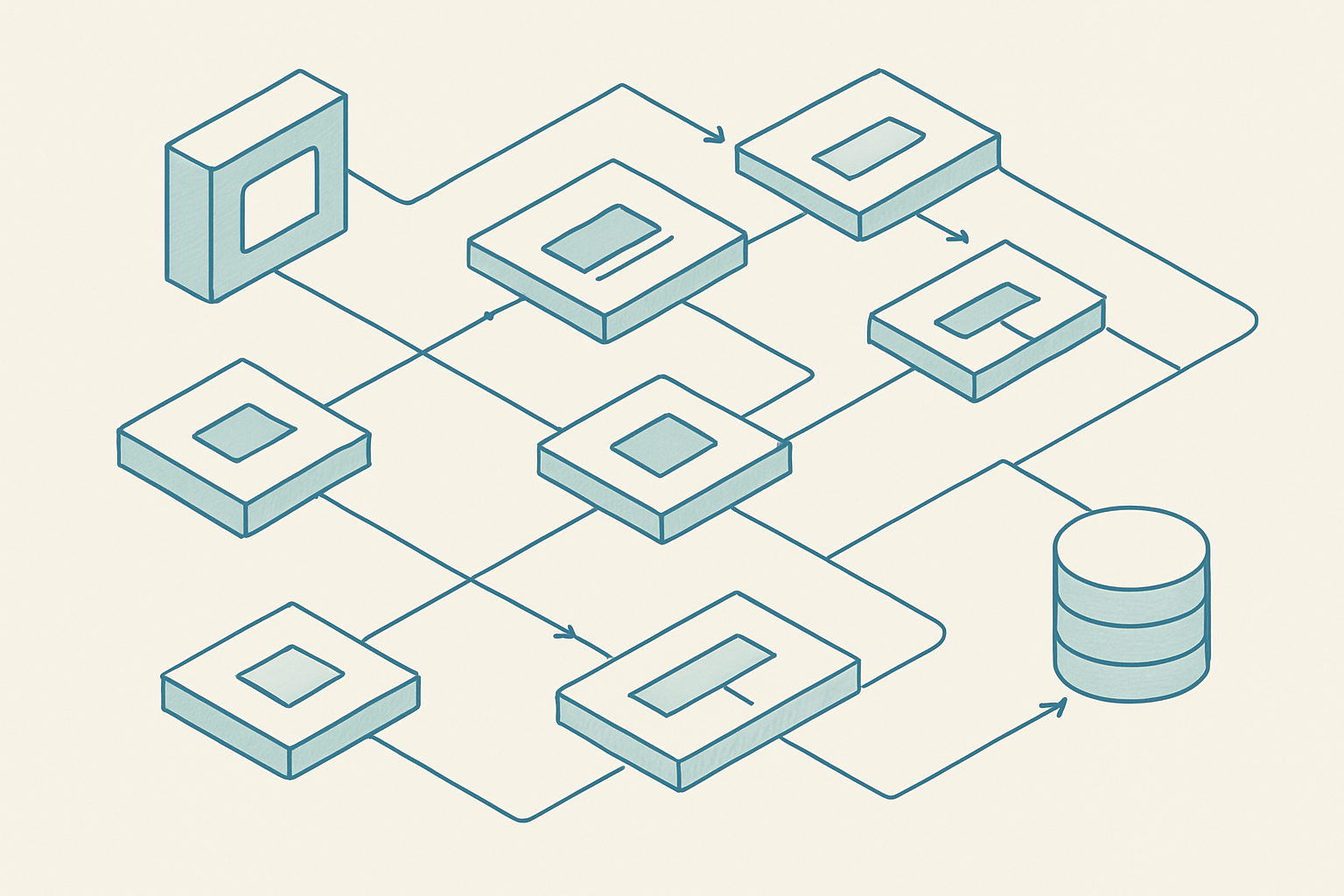
The better pattern is boring on purpose. Patient-reported data lands in one intake layer. Clinical triage rules decide whether it can wait, needs human review, or requires immediate escalation. The chart gets updated only once the event is reconciled against the actual care record. That last step sounds obvious. It is where teams usually fail. They log the message, but they do not attach it to the episode, the problem list, or the follow-up plan. Then six weeks later everyone is guessing whether a change was acknowledged or merely received.
Here is the friction I did not expect early in these builds: clinicians often ask for fewer messages, but what they really want is fewer unstructured messages. When we redesigned a chronic care flow to require a structured reason for contact, a severity picklist, and a defined expected response window, message volume did not magically disappear. What changed was the noise floor. The team could now skim and route instead of reading everything as if it were a pager alert.
That is why I prefer structured asynchronous workflows for chronic care management over open-ended chat. Chat feels humane until it becomes untriaged demand. Open-text patient conversations, if you do not constrain them, create three distinct problems:
- They blur clinical urgency with administrative follow-up.
- They make ownership ambiguous across nurses, MAs, care coordinators, and physicians.
- They destroy auditability because nobody can tell whether a note was reviewed, acknowledged, or actioned.
For chronic care, structure is not bureaucracy. It is safety. Every message type should answer a specific question: Is this symptom-related, medication-related, education-related, monitoring-related, or scheduling-related? If the answer is none of those, the workflow should not pretend it belongs in the care queue.
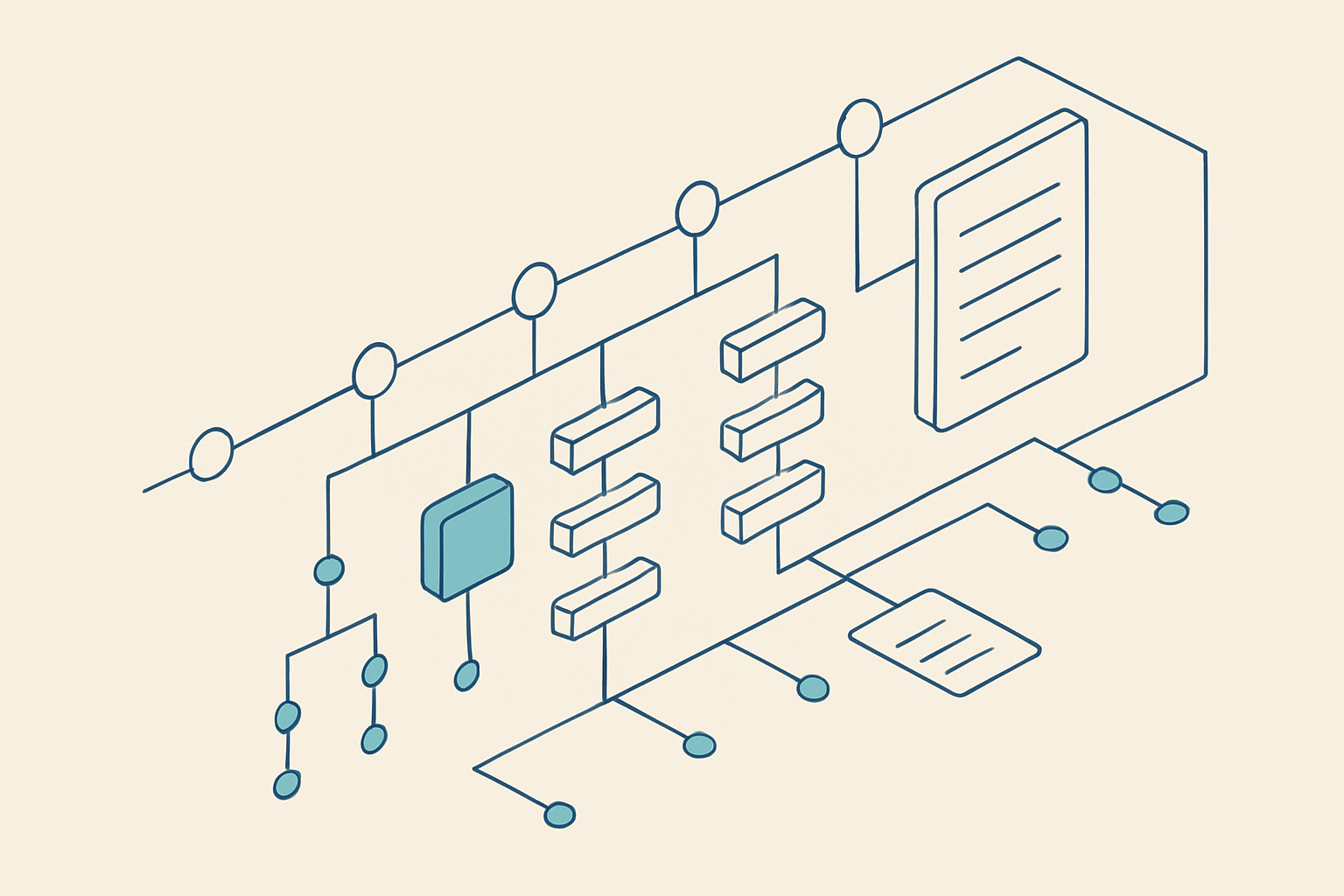
On the integration side, I design the handoff so the EHR keeps the durable record and the telehealth layer handles the interaction. FHIR R4 helps when the destination is modern enough to consume structured resources cleanly. HL7v2 is still everywhere for lab and ADT-style signals that matter for chronic care context. But the important part is not the standard. It is the contract. What event triggers a queue item? What field sets the priority? What status change writes back to the chart? If you cannot answer those in plain language, you are not ready to automate anything.
At AST, we have learned this the hard way in integration work: the cleanest API can still create the ugliest workflow if the operational semantics are wrong. A device reading that arrives every hour is not the same thing as a symptom report. A refill request is not the same thing as a deterioration signal. A missed check-in is not the same thing as noncompliance. The interface can carry all three. The workflow must treat them differently.
| Workflow choice | What it is good for | What breaks first |
|---|---|---|
| Open chat thread | Simple two-way questions, light follow-up | Urgency handling, routing discipline, audit trail |
| Structured async intake | Symptom review, chronic-care check-ins, refill requests | Poor form design if the questions are too long or too vague |
| Task-queue model | Care-team triage, ownership, SLA-based review | Requires strong queue governance and escalation rules |
The table above is the part most teams skip. Then they wonder why the program feels heavy. The answer is not to remove structure. The answer is to reduce friction inside the structure. Use fewer questions. Pre-fill from chart data where you can. Make every intake form lead to a clear next step, not a dead end. In chronic care, a patient should never submit a form and wonder whether anyone saw it.
When we design these flows, I always insist on three operational layers:
- Capture layer Collect patient-reported data, device readings, medication issues, and follow-up requests in a form that is short enough to finish and structured enough to route.
- Triage layer Apply explicit rules to sort routine items from urgent ones, then assign the item to the right queue with an expected response time.
- Charting layer Write the outcome back into the record so the care plan, encounter history, and billing documentation stay aligned.
That charting layer matters more than people think. A lot of telehealth tooling treats documentation as an afterthought. In chronic care, it is part of the workflow itself. If a blood pressure trend was reviewed and a medication adjustment was recommended, that decision has to land in the chart in a way the next clinician can see. Otherwise the system forgets itself every time someone logs off.
This is also where integration governance pays for itself. I do not mean a committee and a slide deck. I mean a concrete rule set for identifiers, event timing, message retries, exception handling, and ownership. Chronic care workflows span time, and time is where bad state management shows up. A message can be received, acknowledged, acted on, and then silently reopened by a sync job that does not understand clinical intent. We have seen that exact class of bug in AST delivery. It is always annoying, and it is always preventable if the source of truth is defined up front.
One of the more counterintuitive findings from our work at AST is that patients often tolerate asynchronous care better when the clinic is stricter, not looser. People do not want casual responses. They want predictable responses. If you tell them “we review within one business day” and then miss that window, trust drops fast. If you tell them the exact kind of issue that belongs in async and the kind that needs a call, they adapt quickly. That takes a little education, but it saves a lot of chaos.
For teams building on top of an existing EMR, I usually frame the decision as a workflow partition problem. Keep the durable record in the EMR. Keep the interaction layer lightweight. Use EHR integration only where it changes the clinical record or drives a necessary downstream action. Do not mirror every message into every system. That is how you create duplicate work and conflicting state. In the companies that get this right, the telehealth layer does less than people expect, but the clinic experiences far less noise.
If you are evaluating your own chronic care workflow this week, I would walk through this checklist:
- Can every inbound item be classified in under a minute?
- Does every class of item have a named owner?
- Is there an escalation rule for symptoms, missed monitoring, or abnormal trends?
- Does the outcome write back to the chart, not just the message thread?
- Can a supervisor audit who touched the item and when?
- Does the patient know when to expect a response, and what to do if symptoms worsen?
If any answer is no, you do not need more telehealth features. You need workflow design.
Medexa matters here because chronic care documentation is where asynchronous programs get expensive. When the interaction, note, and coding path diverge, teams waste time reconstructing what happened after the fact. Medexa was built to keep that chain intact so the workflow does not fall apart between the patient message and the payer-facing record. That is not a nice-to-have in chronic care. It is the difference between a program that scales and one that drowns in manual cleanup.
The best asynchronous chronic care programs feel calm because the system is doing real work behind the scenes. They do not ask clinicians to babysit a message feed. They turn patient inputs into routed tasks, charted outcomes, and predictable follow-up. That is the whole game. If you design the workflow around accountability instead of conversation volume, the care team gets time back and the patient gets a response they can trust.
Build async telehealth that your care team can actually run
If you are designing chronic care workflows and the handoffs keep breaking between patient intake, triage, and charting, I can help you map the integration points and the edge cases that matter. We build telehealth interoperability around the actual clinic workflow, not a demo path.

Comments
Comments are warming up. Live, no-sign-in discussion will appear here shortly.
Have a question now? Email info@allstartech.net.